
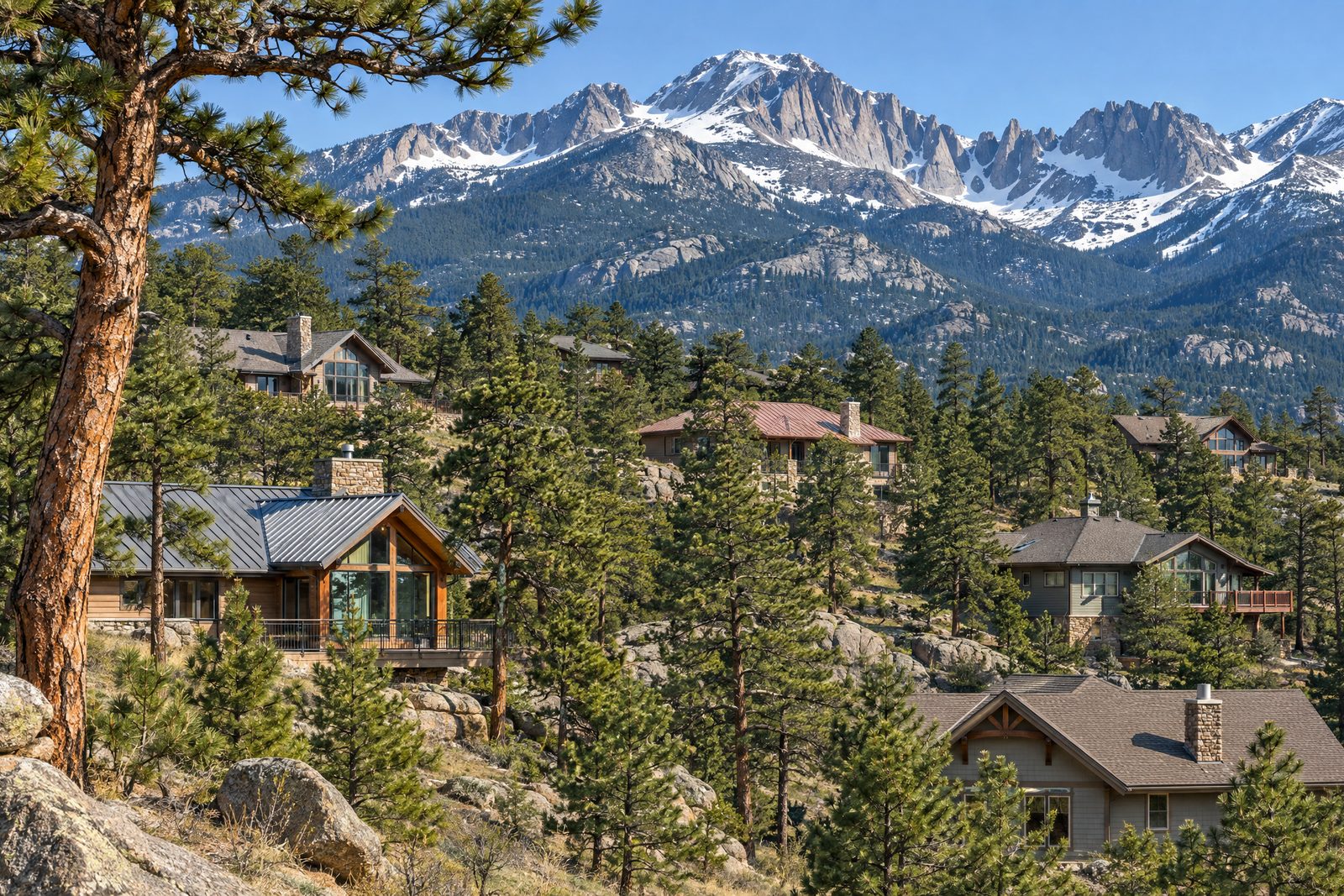
Roofer in Estes Park, CO, for snow, wildfire and the wildfire code
At about 7,500 feet, an Estes Park roof has to carry snow and resist embers. The Town adopted the Colorado Wildfire Resiliency Code in 2026, so a reroof needs a Class A rated roof, and replacing a quarter of the roof or more means replacing all of it.
- About an hour up the Big Thompson Canyon
- Class A roofs under the wildfire code
- Standing seam metal that sheds snow
Book a roof inspection in Estes Park
We usually answer the same day. After a hail storm, we answer until dark.
Water coming through the ceiling right now? Call or text: 970-555-0162
In Estes Park the fire rating matters as much as the hail rating
In June 2026 the Estes Park Town Board adopted the Colorado Wildfire Resiliency Code, with an agreement for the Town's Building Safety division and the Estes Valley Fire Protection District to enforce it together. The state code calls for a roof covering or assembly classified Class A for fire, tested to ASTM E108 or UL 790. It also says that replacing 25% or more of an existing roof means replacing the whole roof covering. The Town's local amendments can add to that, so we confirm them with Building Safety when we file.
Outside town limits, Larimer County rules apply: Class A roofing everywhere in the county, and Class 4 impact-resistant asphalt shingles on replacements and larger repairs.
Then there is the snow. Cabins under ponderosa pines hold snow and needles on low-slope shingle roofs well into spring, and ice builds at the eaves. That is why so many Estes Park roofs we replace go to standing seam metal, which is Class A rated as an assembly, sheds snow and does not catch embers in its seams.
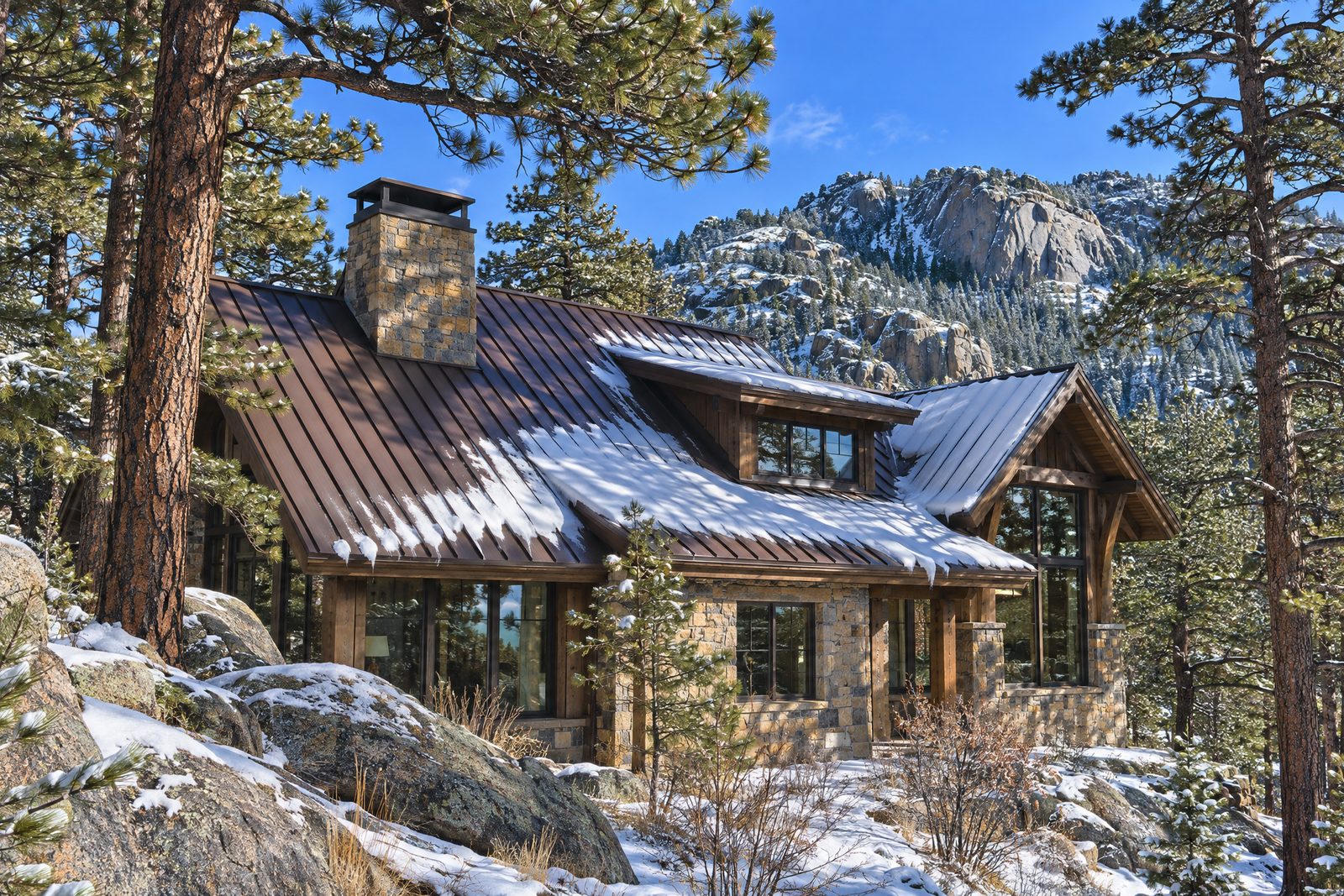
Wildfire code adopted
The Town adopted the Colorado Wildfire Resiliency Code in 2026. A reroof needs a Class A rated roof covering or assembly.
The 25% trigger
Under the state code, replacing 25% or more of an existing roof means replacing the entire roof covering to current materials.
Town or county
Inside town limits the Town's Building Safety division issues permits. Outside, Larimer County's office on Brodie Avenue handles them.
Snow and ice
At about 7,500 feet, snow load, ice at the eaves and pine needles in the valleys decide the roof as much as the code does.
From our Loveland office to Estes Park: how a storm inspection goes
Estes Park is about 30 miles from our Loveland office, around an hour up the Big Thompson Canyon on US 34. We plan Estes Park jobs a few days ahead, start early, and keep material on the truck so the crew is not driving the canyon twice in a day.
You call, text or send the form.
Tell us the address and the date of the storm, if you know it.
We look up the storm before we drive out.
The public storm reports give the date and the hail size near your street.
We get on the roof, chalk every hit and photograph it.
Shingles, vents, gutters and downspouts. You see the dated photos before we leave.
A written estimate follows, line by line.
If the hail did not damage the roof, we say so and you keep your shingles.
Roofing work we do in Estes Park
Standing seam metal
Class A as an assembly, sheds snow, holds up under pines. The usual answer up here.
Replacement to the wildfire code
Class A roof assembly, ice barrier at the eaves, permit with the Town or the county.
Inspections for cabins and buyers
Snow damage, ice dams and needles in the valleys, in a dated photo report.
Repairs under the 25% line
Small repairs that stay under the trigger, done so they do not start a full replacement.
Gutters built for snow
Heavier gutters and hangers, or none at all on a metal roof where snow slides.
Run by its owner, from our Loveland office
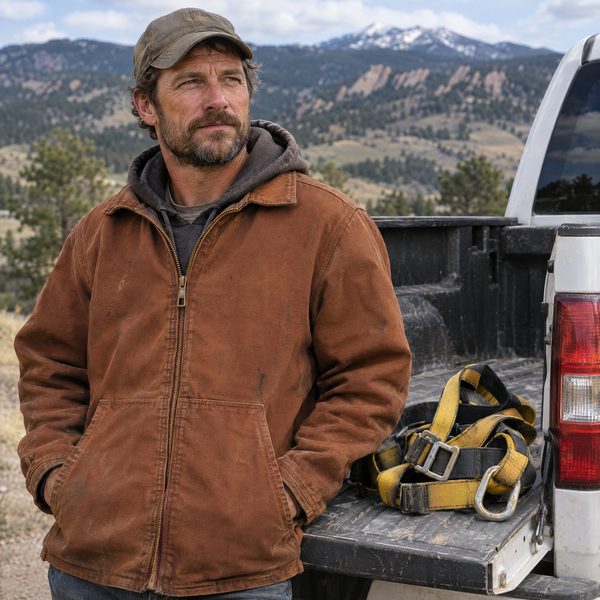
Wes Halvorsen, owner and roofer
Wes answers the phone, gets on the roof and writes the estimate. You deal with him from the first inspection to the last magnet sweep of your yard.
Book a storm inspection in Estes Park
We usually answer the same day. After a hail storm, we answer until dark.
Water coming through the ceiling right now? Call or text: 970-555-0162
Before you call about your roof in Estes Park
Does my Estes Park roof need to be Class A?
For a reroof under the Colorado Wildfire Resiliency Code, which the Town adopted in 2026, yes: a Class A roof covering or assembly. Outside town limits, Larimer County also requires Class A. See metal roofing.
I only need part of my roof replaced. Will the code make me do all of it?
Under the state code, replacing 25% or more of an existing roof means replacing the whole roof covering. Under that, a repair can stay a repair. We measure the damaged area before we quote, and we confirm the Town's local amendments.
Is metal roofing worth it in Estes Park?
Often, yes. Standing seam sheds snow, stands up to embers and pine needles, and is Class A rated as an assembly. It costs more up front than shingles, and we show you both on the estimate.
Who issues roofing permits in Estes Park?
Inside town limits, the Town of Estes Park Building Safety division. Outside town, Larimer County, which keeps an Estes Park office at 1601 Brodie Avenue.
Do you drive up for repairs, or only full roofs?
Both. We plan repairs a few days ahead and group them, so the canyon drive does not change the estimate.
Do you work in Glen Haven or Allenspark?
Often, yes, if the road is open. Call 970-555-0162 with the address and we will tell you plainly.
Tell us what the storm did to your Estes Park home
Send it to Wes
We usually answer the same day. After a hail storm, we answer until dark.
Water coming through the ceiling right now? Call or text: 970-555-0162